
Expert Care for Kids with Autism and ADHD
Helping Children Thrive – Consult the Best Child Psychologist Today
Book Consultation →One-on-One Parent Counseling Sessions
One-on-One Parent Counseling Sessions by Certified Psychologist
Book Consultation →Expert Care for Kids with Autism and ADHD
Helping Children Thrive – Consult the Best Child Psychologist Today
Book Consultation →
ABOUT THE PSYCHOLOGIST
Understanding Every Child, Supporting Every Journey
Every child is unique, and every child deserves to be understood, supported, and given the opportunity to thrive.
With a compassionate and child-centered approach, we provide professional psychological support for children and guidance for parents navigating developmental, emotional, behavioural, and learning challenges.
Child-Centered Care
Individualized support based on your child's unique needs.
Parent Guidance
Practical guidance to help parents better understand and support their child.
Compassionate Support
A safe, welcoming environment where children and families feel heard.
Your Search for the Best Child Psychologist Ends Here
Every child is unique and full of potential. But sometimes, challenges in behaviour, speech, learning, or emotions can affect their growth.
As the best child psychologist, Shibasish Mukherjee is here to guide both children and parents through these difficult moments. With years of experience in child psychology, we understand the early signs of issues like speech delay, learning difficulties, and behavioral problems, autism and ADHD.
Our main goal is to maintain a friendly and caring approach towards the children to make them feel safe and understood. Each therapy is designed to address the child’s concern, and through proper assessment serve the child’s individual needs.
A Caring Approach for Every Child
Our friendly and caring approach helps children feel safe, comfortable, and understood throughout their journey.
Support Your Child’s Growth with a Top Child Counsellor
Whether your child struggles to focus, has tantrums, talks less, or finds learning hard – as the top child counsellor in India we can help!
Therapy is not just about treatment. Our therapy for children will help them build confidence, improve their communication, and helping them live happier, healthier lives.
As our therapy includes parent counselling also so parents also receive guidance on how to support their child at home. Together, we can provide support and build a strong foundation for your child’s growth.
Take the First Step Today
If you're worried about your child's development, it’s high time that you take the first step.
Book Consultation →Book a consultation with Shibasish Mukherjee – the best child psychologist dedicated to helping children thrive. Early support can make a big difference in your child’s future.
When to see a Child Counsellor?
Growing up a child faces many challenges. Sometimes, they face challenges in thinking, speaking, behaving, or learning. These can affect their daily life, school life, and relationships. A child psychologist understands these problems. Children who are suffering need extra help to deal with their thoughts and emotions. We provide that help to children to make them feel better and do better in life.
A child counsellor is a trained professional who helps kids manage their feelings, behaviour, and problems in a safe way. We also help parents understand what their child is going through. Parents should consider visiting children therapist when they experience:
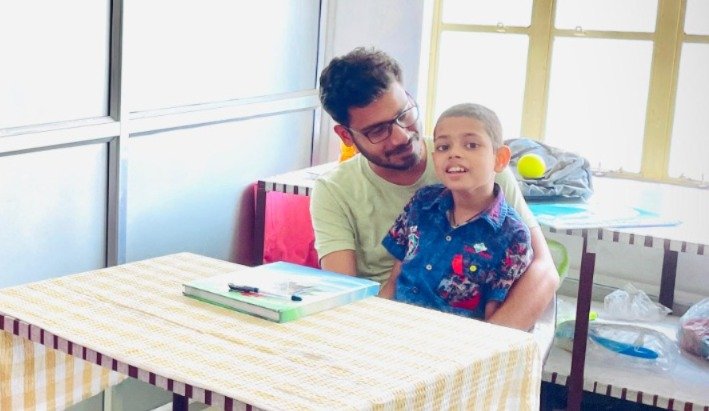
Your child may benefit from professional support
Recognising these signs early can help parents take the right step towards supporting their child.
ADHD
Learning disability
Poor performance in studies
Autism
Lack of attentiveness in school
Avoiding social activity
Mood swings
Sudden aggressiveness or quietness in nature
Behavioural problem
Speech Delay
Every child deserves the right support at the right time.
What Does a Child Psychologist Do?
A child psychologist supports children through their emotional, behavioural and developmental challenges with care and understanding.
Assessment
Through interviews and observations, they assess the mental condition of the child to understand their disorder and make the diagnosis.
Diagnose
Through assessing the child's condition they make a diagnosis that will decide the therapy procedure for the child.
Therapy
Child psychologists provide helpful and tailored therapies to support children through their individual needs.
Collaborate
They work with parents, siblings, teachers and paediatricians to create a support group around the child.
Safeguard
They recognise existing abuse or neglect and work towards providing the child with a safe and secure environment.
Help in Development
Children are supported in developing healthy emotional and social connections, understanding feelings and managing emotions.
Common Mental Health Disorders Children Struggle With
Children can experience different emotional, behavioural and neurological challenges. Understanding these concerns can help parents recognise when additional support may be needed.
Attention-Deficit/ Hyperactivity Disorder
ADHD can affect a child's ability to concentrate. Children may struggle with attention, studies, frustration, forgetfulness, restlessness and irritability.
ADHDAutism Spectrum Disorder
ASD can affect social and behavioural skills. Children may find interaction difficult and may show repetitive behaviour or strong preferences for routines.
ASDAnxiety Disorders
Anxiety disorders involve excessive fear and worry and can affect confidence, concentration, sleep, studies and daily life.
ANXIETYDepression
Depression can affect a child's studies, daily routine, mental health and physical wellbeing. Signs may include sadness, irritability, fatigue and low self-esteem.
DEPRESSIONPost Traumatic Stress Disorder
PTSD can cause significant emotional distress after severe trauma and may affect relationships and everyday life.
PTSDEating Disorder
Eating disorders can involve unusual food habits and emotional struggles related to weight, body shape and food.
SUPPORTTypes of Mental Health Therapies for Children
Different therapies can offer children the support and skills they need to understand their emotions, develop confidence and manage difficult situations.
Cognitive Behavioral Therapy (CBT)
Helps children recognise negative thoughts and develop a more positive thought process.
Dialectical Behavior Therapy (DBT)
Combines CBT with acceptance, emotional regulation and mindfulness to help children cope with intense feelings.
Play Therapy
Gives children a way to express emotions through drawings, games and other forms of play.
Family Therapy
Involves family members and focuses on healthy family dynamics, communication and stronger relationships.
Parent Child Interaction Therapy
Supports parent-child interaction and can help with tantrums, anger and hyperactive behaviour.
Applied Behavior Analysis (ABA)
Uses principles of learning to encourage positive behaviour and develop problem-solving skills.
Creative Arts Therapy
Uses painting, music, dance, drama and other artistic activities to help children express themselves.
Trauma Focused CBT
Supports children who have experienced severe trauma and helps develop coping skills, self-esteem and emotional management.
How Do Therapies Help Children?
Therapies offer children a safe space to express their feelings, learn coping mechanisms and develop problem-solving abilities.
Book Consultation →Emotional Regulation
Children learn self-awareness and ways to manage their emotions more effectively.
Better Communication Skills
Therapy helps children communicate their feelings and needs with friends and family.
Self Esteem
Children develop a stronger understanding of self-worth and self-confidence.
Social Skills
Therapy can help children build healthier social connections and relationships.
Coping Skills
Children learn problem-solving skills and coping mechanisms to manage stress and challenges.
How Can Shibashish Mukherjee Help Your Child?
Sessions are conducted with complete care, helping children feel comfortable enough to express their emotions without fear of being judged.
Patience
A calm and soothing environment allows children to feel comfortable without being hurried during a session.
Empathetic
Empathy helps create a strong bond with children who may be experiencing emotional distress.
Listening
Active, non-judgemental listening encourages children to become more open about their feelings.
Communication
Clear communication helps children express themselves and helps caregivers understand the treatment process.
Problem Solving Attitude
Information from sessions is carefully analysed to understand the child's concerns and identify appropriate solutions.
A Safe Space for Your Child to Be Heard
Children with mental health challenges need a safe and understanding environment where they can openly express their feelings.
A caring and non-judgemental approach can help children feel heard and seen while receiving therapy. Collaboration with parents can also help create a supportive environment at home.
Book Consultation →Worried About Your Child's Development?
Early support can make a meaningful difference in a child's journey. Get in touch to discuss your concerns and explore the right support for your child.
Book Consultation →What Parents Say About Us
Hear from parents who have experienced our approach to child psychology, counselling and therapy.
He has a very effective and modern yet calm way with speech-delayed children—very effective.
Debangan Mahanta
ParentWe took therapy for my teenage daughter. She was not at all attentive in studies and had behaviour problem. Now, she is completely changed after taking therapy from Shibasish Sir.
Jiya hisariya
ParentWe saw significant improvement in our daughter’s social behavior.
Shinjani Mitra
ParentMr. Shibasish gave us guidance and training on how to deal with our autistic child. His guidance really helped us to understand our child better.
Semonti Mitra
ParentHis methods for speech delay were effective and easy to follow at home
Mahasweta Basistha
ParentI am so thankful for Shibasish Sir, he helps my autistic child, who is 13. we took many consultations before, but nothing worked until we consulted Shibasish sir
Anirban Das
ParentHis guidance helped us become more patient and understanding with our son
Soumyadipta Ghoshal
ParentHe gently corrected our daughter’s behaviors and gave us advices, methods and tips to maintain it at home.
Rimpa Roy
ParentHe worked patiently with our child and kept us updated every step of the way
Shreyashi Ghosh
ParentShibasish Sir always suggests what will be best for our child. We trust him completely. He knows the best
Rakesh Kumar
ParentGot Questions? We’re Here to Help
Find answers to some of the most common questions about child psychology, therapy and how we can support your child's mental well-being.
Need More Guidance?
If you have any other questions or would like to speak with us directly, feel free to get in touch. We’re here to help.
Contact Us →
Ans: There are multiple signs that parents should be aware of their children, these are if your child is not speaking at the expected age, they have difficulty learning or understanding, they get angry or upset very often, they avoid people or find it hard to make friends, they are always restless or can’t focus, poor performance in studies, signs of autism or ADHD etc. There are also external factors involved when a child must take help from a therapist when a child has gone through a difficult event like a divorce, bullying, the death of a loved one etc.
Ans: If your child shows signs of aggression, restlessness, excessive tantrums, anxiety, or difficulty in social activity, any behaviour that may seem concerning to you, consult a child consultant immediately. Because behaviour therapy will help them dealing with their emotions and develop better coping and social skills.
Ans: If your child can’t utter simple monosyllabic words or isn’t speaking as much as other kids of their age, has trouble forming sentences, or they fail to understand, they may have a speech delay. A psychologist can assess this and recommend the right intervention. A detailed assessment on your child’s speech progress done by a child psychologist can only reveal if there are any underlying reasons to it and can suggest proper treatment for that.
Ans: Shibasish Mukherjee is one of the renowned children’s counsellors in Kolkata. As a Consultant Psychologist and Assistant Professor, he provides his years of experience and academic research on child mental health. He has submitted multiple research papers on autism, intellectual disabilities, and neurodevelopmental disorders. Whether it's behaviour issues, ADHD, or learning difficulties, Shibasish Mukherjee offers personalized counselling for both children and their parents to deal with any of these issues.
Ans: Attention-Deficit/Hyperactivity Disorder (ADHD) in children is commonly identified by a consistent pattern of inattention, hyperactivity, and impulsivity that interferes with daily functioning and development. Symptoms may include difficulty concentrating, being easily distracted, forgetting instructions, trouble organizing tasks, and frequently losing items. Hyperactive behaviours may involve constant fidgeting, excessive talking, inability to sit still, or climbing in inappropriate situations. Impulsive symptoms often show as interrupting others, blurting out answers, or acting without thinking about consequences. These behaviours are usually more severe than typical childhood restlessness. A comprehensive psychological evaluation by a professional like Shibasish Mukherjee can help confirm the diagnosis and create a tailored treatment plan, which may include behaviour therapy, parent counselling, or academic support.
Ans: Autism Spectrum Disorder (ASD) affects communication, behavior, and social interaction. Signs of autism typically appear in early childhood, often before the age of 3. You may notice that your child avoids eye contact, has delayed speech or limited language use, repeats actions or words (echolalia), resists changes in routine, or struggles to play or interact with others. Some children may also show unusual sensitivities to sound, touch, or lights. If you observe these behaviors consistently, it’s important to consult a qualified child psychologist. Experts like Shibasish Mukherjee, who specializes in autism and neurodevelopmental disorders, can conduct a detailed assessment and guide you with early intervention strategies.